Q. What is the status of women in Iran?
BAHAR*: The laws of Iran are based in Islam, and that means the role and place of women are dictated by Islamic law. All the laws put women as second-class. They cannot choose who or when they marry. Girls as young as nine are married off, often to wealthier older men, or in exchange for opportunities for the girl’s father. If a couple divorce, the father gets custody of children, even if the woman has been abused.
For education, working or travelling, a woman needs permission from her father or husband. In their absence, permission is required from a male relative – even her own son.
She can’t even get a passport without her father or husband agreeing to it.
Maybe there are more opportunities for women in big cities – in education, for example. In smaller cities and rural areas, the subjugation of women is accepted in the culture. And this culture is supported by the law.
Q. How is life different for a Christian woman, compared to a Muslim woman?
BAHAR: Being a woman in Iran is already severely limiting. Being a Christian adds to all of these pressures and vulnerabilities. A woman or girl must always have an answer when her husband or father asks: “What did you do today? Who did you meet?” That makes it very hard for them to explore faith or join a house church.
If a wife or daughter converts and her family is Muslim – if they even suspect her of converting – then she will be forbidden from leaving the house. Her family might even say she should be thankful that she hasn’t been killed or thrown onto the street. And those things do happen.
There are dangers at work, too. I spoke to a nurse who prayed for a patient, then a colleague reported her to the police and she lost her job. Not just that, but it is now on her record that she was punished because of Christianity. She’ll never get another job in the medical field.
In the workplace or university, candidates will be asked their religion. This is a spiritual battle. They know they will be rejected if they write ‘Christian’, and it could lead to questioning by police. But they also don’t want to reject their faith.
Q. How do the police treat Christian women differently?
BAHAR: A big difference is seen when a woman is arrested, perhaps for ‘national security’ offences. All women can face threats of sexual violence in custody, but it is worse for Christian women. The police feel they have the right to treat the ‘infidel’ however they want.
I’ve spoken to a lot of women about their interrogations, and they feel so shamed by the way they are spoken to and treated. An Armenian Christian woman I know in her late 20s went to the police, simply to find where her father was being held. She was told he’d only tell her if she gave up her body to him.
“They are persecuted to the point where they don’t even recognise it as persecution.”
Bahar
Christian women face constant fear and trauma. I’ve spoken to many women who are affected by trauma emotionally and physically, but it has become so normalised that they don’t realise it. They are persecuted to the point where they don’t even recognise it as persecution.
Q. How does a Christian woman’s experience compare to a Christian man’s?
BAHAR: In the past, maybe 20-30 years ago, there was more pressure on men. They were the ones teaching, evangelising, leading house churches – and they were the ones being arrested, because they were the most visible. But now, despite Christian women seeing and knowing the risks, we are seeing so many Christian women in Iran being the ones speaking out, leading churches and so forth. So now they are facing the same punishments as men. It used to be that a man would get 10 years in prison, say, and a woman would only get two. But last year, a woman was sentenced to 10 years. Things have changed.
The persecutors use different threats, depending on gender. In Iran, men are persecuted by targeting their dignity. They lose their job and so can’t provide. Soldiers will taunt them by saying they’ll assault their unprotected wife or daughters. Whereas women get direct threats over their own bodies, or by threatening to remove their children.
“Iranian Christian women cannot be silent about the value, peace and joy they have found in Jesus.”
Bahar
The amazing thing about Christian women in Iran is that they know the challenges, but still read the Bible, go to their house church, speak about their faith. They’re so brave and so courageous. They cannot be silent about the value, peace and joy they have found in Jesus – and want other women in Iran to know, too.
Q. How do you think recent developments in Iran will affect Christian women?
BAHAR: Since the death of Mahsa Amini [who died in custody after being arrested by Iran’s morality police], women have become even braver. The younger generation of women are using social media, YouTube etc to fight back over questions of human rights. There is a sense that they have nothing to lose. And, especially in bigger cities, a large number of men have started to support the women too.
Regardless of gender, faith, ethnicity, now is the time that the people of Iran are more united than ever. They are asking for justice for all. For human rights.
We pray that the protests lead to change and for more freedom for women and for Christians. But, if that doesn’t happen, then minorities and marginalised people become more vulnerable than ever. Christian women will face even worse oppression than before, perhaps. We must keep praying for change.
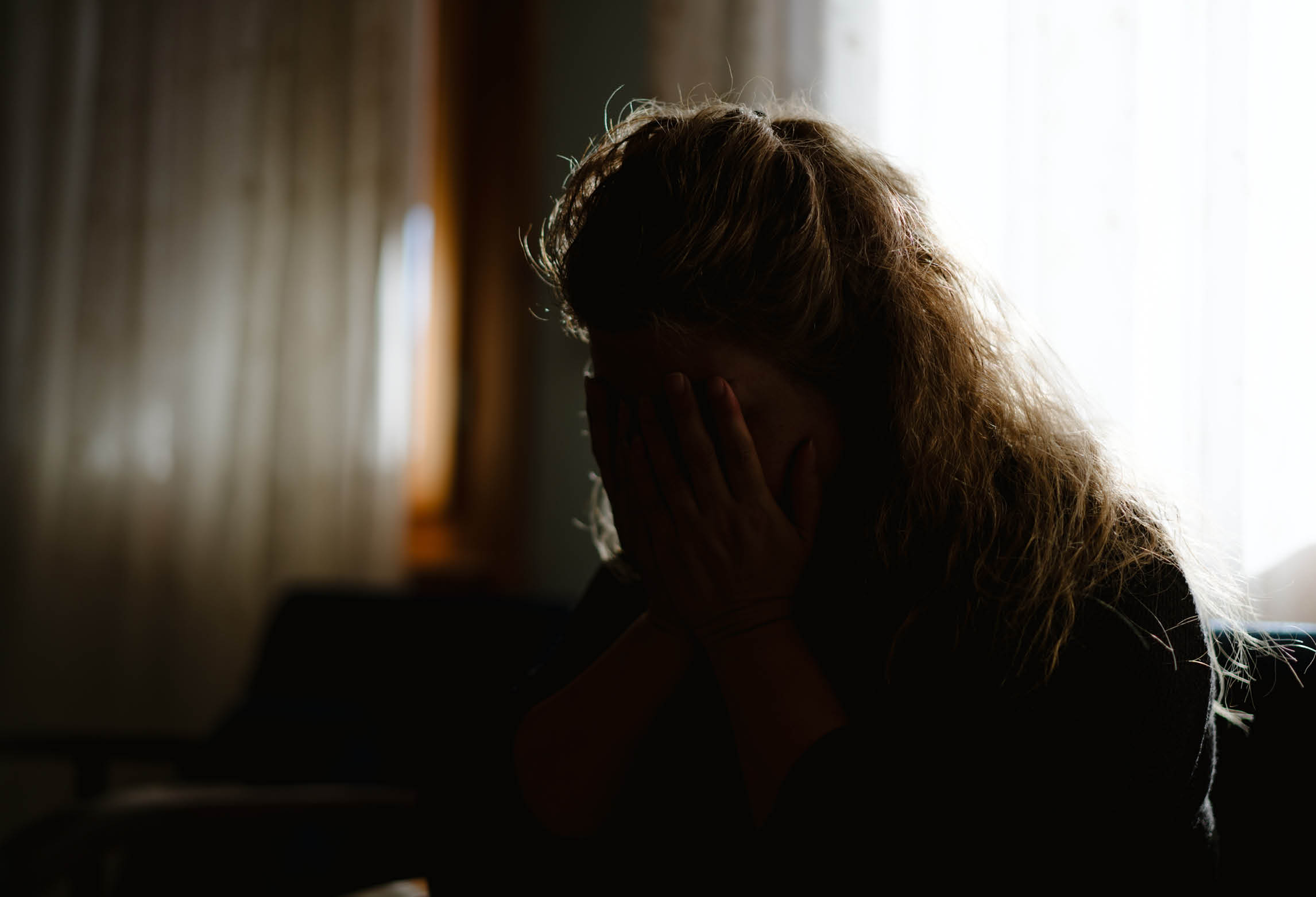
*Name changed for security reasons and all images are illustrative only
please pray
- For each persecuted Christian woman to be seen, valued and empowered to live her God-given potential
- That lasting change will come to Iran, giving greater freedoms to vulnerable people living there
- For godly unity to flow among men, women and children in the Iranian church.
please give
- Every HK$190 could give Bibles to two persecuted women determined to follow Jesus
- Every HK$300 could provide food to a woman and her family fleeing extreme persecution
- Every HK$550 could help train to a vulnerable woman to survive persecution
*Any excess funds from this appeal will be used to strengthen other persecuted Christians where urgent help is needed.
give today: persecuted christian women

