You’re offline. This is a read only version of the page.

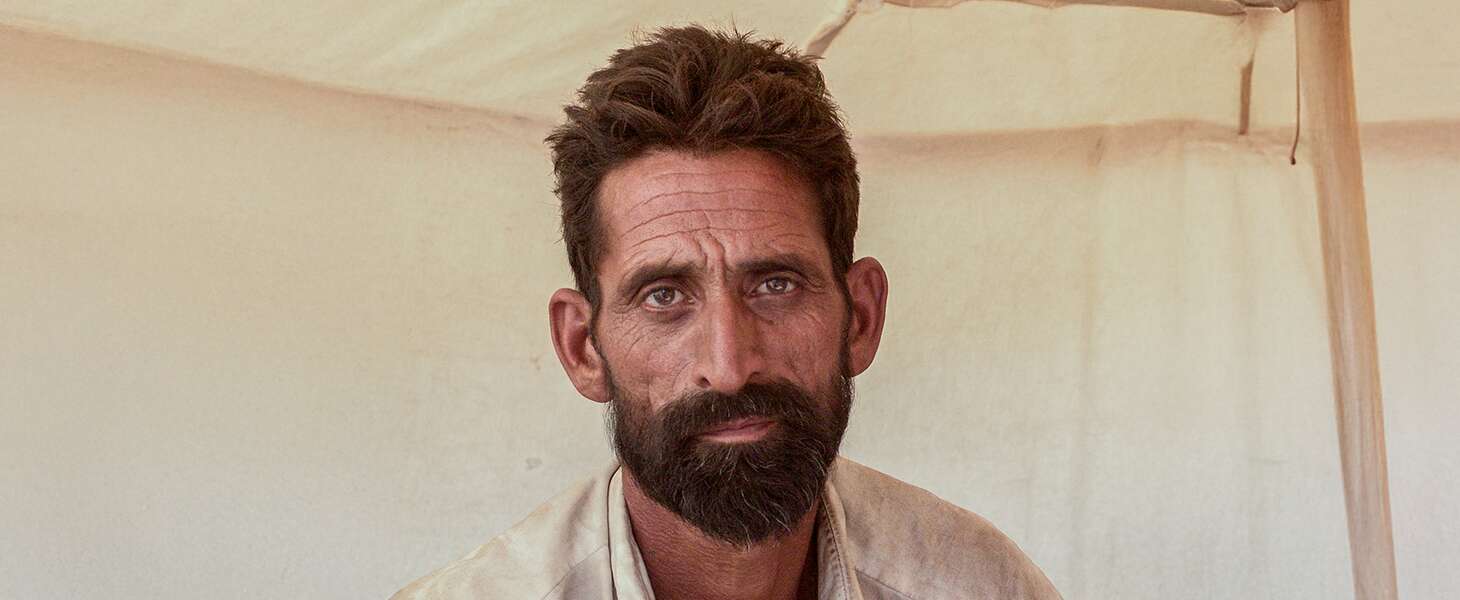
Lord God, we pray for protection around our sisters and brothers in Pakistan. Keep women and girls from harm; put Your angels around them and give them peace. We pray for men who live in fear of attack and false accusation. Remind them You are with them in all things and will never leave them (Deuteronomy 31:6). Bring an end to the mob violence and polarisation of the country; open the eyes of Muslims to the value of Christians that they may live and work together in harmony. Strengthen Your church and may their witness shine Your light and love in the darkness, Amen.
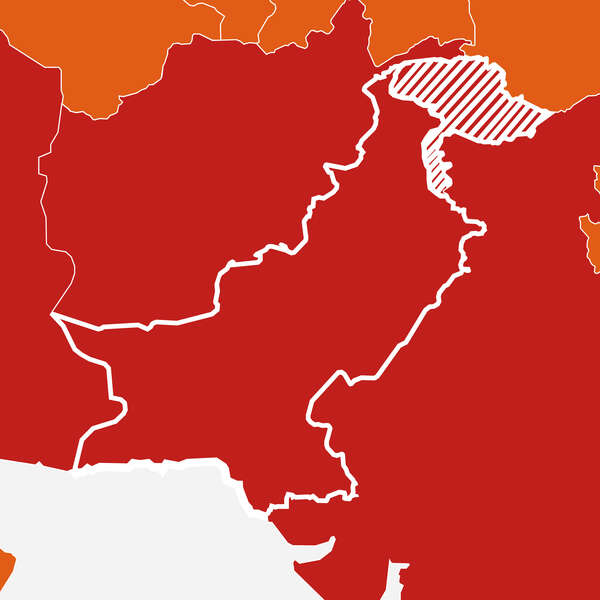
Pakistan’s notorious blasphemy laws are often used to target minority groups, but Christians are disproportionately affected. Indeed, roughly a quarter of all blasphemy accusations target Christians, who make up just 1.8 per cent of the population. Blasphemy laws carry a death sentence. While this is seldom carried out, people accused of blasphemy are vulnerable to attack or murder by mobs. In June 2024, an elderly man was killed by mob violence after being accused of desecrating the Quran. The 2023 attack on Christian homes and buildings in Jaranwala continues to contribute to a climate of fear. Historical churches have relative freedom for worship and other activities. However, they are heavily monitored and have been targeted for bomb attacks.
The number of Christian girls (and those from other minority religions) abducted, abused and forcefully converted to Islam (frequently backed by lower courts) is growing. And churches that engage in outreach are particularly prone to opposition. All Christians suffer institutionalised discrimination. Occupations that are deemed low, dirty and degrading – such as cleaning sewers or working in brick kilns – are reserved for Christians by the authorities. Many are referred to as 'chura', a derogatory term meaning 'filthy'. Christians are also vulnerable to being trapped in bonded labour.
By far the most Christians live in Punjab Province, so many incidents of persecution, discrimination and intolerance occur there. Next to Punjab, the province of Sindh is also notorious for being a centre for bonded labour, which affects many Christians.
Christians from Muslim backgrounds suffer the brunt of persecution from radical Islamist groups and families, friends and neighbours. Radicals regard them as apostates, while families and the community see conversion as a shameful act of betrayal.
"We are in a spiritual battle… So we will be Christ – even to our enemies. We will show them that our faith is stronger than their hate."
Rashid (pseudonym)
Although the new government coalition established in February 2024 seems to have settled in, politics in Pakistan remains highly polarised. This could lead to religious minorities, including Christians, facing increased pressure and attacks.
Open Doors is active in the Persian Gulf countries, including Pakistan, through The HOPE (Helping Others Pray and Encourage) Community.