
You’re offline. This is a read only version of the page.

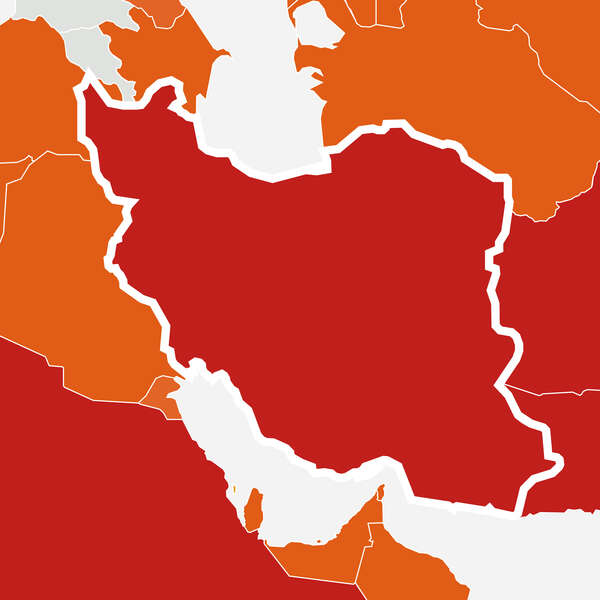
Christians in Iran are heavily and systemically repressed, as the authorities seek to root out what they see as a threat from the West to undermine their Islamic rule.
Converts are most in the firing line. House churches are commonly raided, often followed by arrests, interrogations, pressure to inform on other believers and long-term imprisonment. This is typically under charges of breaching ‘national security’. The conditions in prison are dire and bail sums can be extortionately high, financially paralysing families. For believers who are released, that typically comes with strict conditions, such as exile to another part of Iran, or self-censorship. They can also face hostility from families and local communities. Each year, thousands of converts flee Iran to escape persecution.
Parliament also rushed through a new espionage bill that introduces the death penalty under broad definitions, granting the government sweeping powers to punish perceived dissent. Following the Iran-Israel war, the government now publicly brands converts as spies and collaborators.
Despite being recognised by the state, the historical Armenian and Assyrian Christian communities are treated as second-class citizens, facing discrimination in employment, marriage laws and inheritance laws. They are also banned from using the Persian language in religious activities and for religious materials, and are not allowed to engage with Persian-speaking people in church services. Foreign Christians encounter scrutiny, with some churches having closed after converts attended.
Converts face the biggest dangers. While government surveillance is greatest in urban areas, believers in cities benefit from greater anonymity, enabling them to gather with less scrutiny from their communities. Conversely, while believers in rural areas experience less direct monitoring from the authorities, the scrutiny they face from locals is stronger.
"A blank paper was brought in front of me, and a deep voice said, ‘If you write here that you regret becoming a Christian, that you want to return to Islam, then we can help you avoid court.’ I kept silent for a moment, then said calmly: ‘That’s not a confession, that’s a forced lie. I won’t write down something I don’t believe.’"
Despite intense persecution from the authorities for her faith, including interrogation, "Shima" continues to serve in a house church, helped by the support of Open Doors local partners.
Although the country fell by one position on the World Watch List, its persecution score increased. The conflict between Israel and Iran has intensified the oppression of converts, who are often seen as sympathising with ‘the West’. In the immediate aftermath of the ceasefire with Israel, at least 54 Christians were arrested in 21 cities. State media accused the 54 Christians who were arrested of committing espionage. The television report suggested links between Evangelical Christians and foreign intelligence services, a narrative that paints an entire faith community as a security threat, gravely adding to their vulnerability.
Open Doors’ partners work in neighbouring countries to help Iranian believers with training, discipleship, trauma care and online ministry. Open Doors also raises prayer support for Christians in Iran.
Heavenly Father, as we remember our family in prison (Hebrews 13:3), flood their cells with Your presence. May they tangibly feel Your nearness – and open the eyes of guards and other prisoners to see it, too. Expose the arbitrary and unjust reasons for this oppression, compelling the authorities to release Christian prisoners and allow converts greater freedoms. Protect and grow house churches, sustain Your people, and heal those recovering from awful experiences. Amen.