You’re offline. This is a read only version of the page.

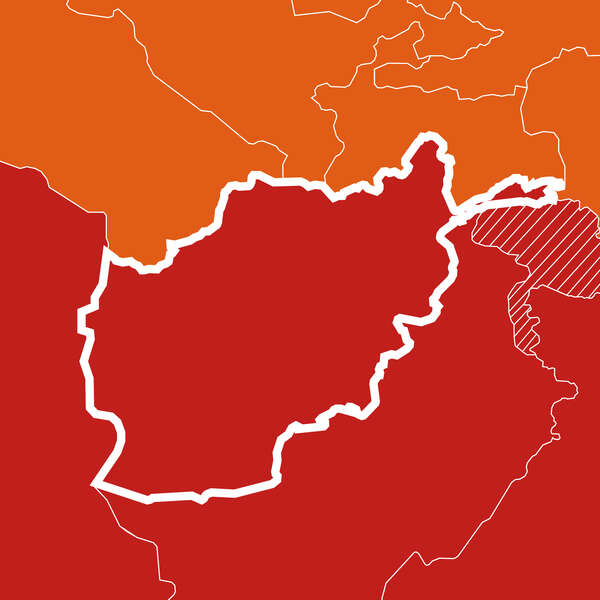

The dangers facing Christians cannot be overstated: Afghanistan remains a place of extreme persecution for anyone who dares to follow Jesus under the brutally oppressive rule of the Taliban.
Since the group retook power in August 2021, Christians have either fled the country or gone deeper underground. As far as the Taliban is concerned, it is not possible that any Afghan could be a Christian. Almost all believers are converts from Islam – and apostasy is considered punishable by death under Islamic law. To preserve their ‘honour’, families, clans and tribes feel obliged to deal harshly with those known to have turned to Christianity. Mere suspicion of conversion – such as avoiding mosque attendance – can trigger catastrophic consequences.
Given the immense risk of meeting with other believers, the church exists only in increasingly fragmented, secretive gatherings; this makes accurate assessment of their situation difficult. Those who have fled the country, or become Christians while living as refugees, have slightly more freedom, but also face intense challenges, including the threat of deportation.
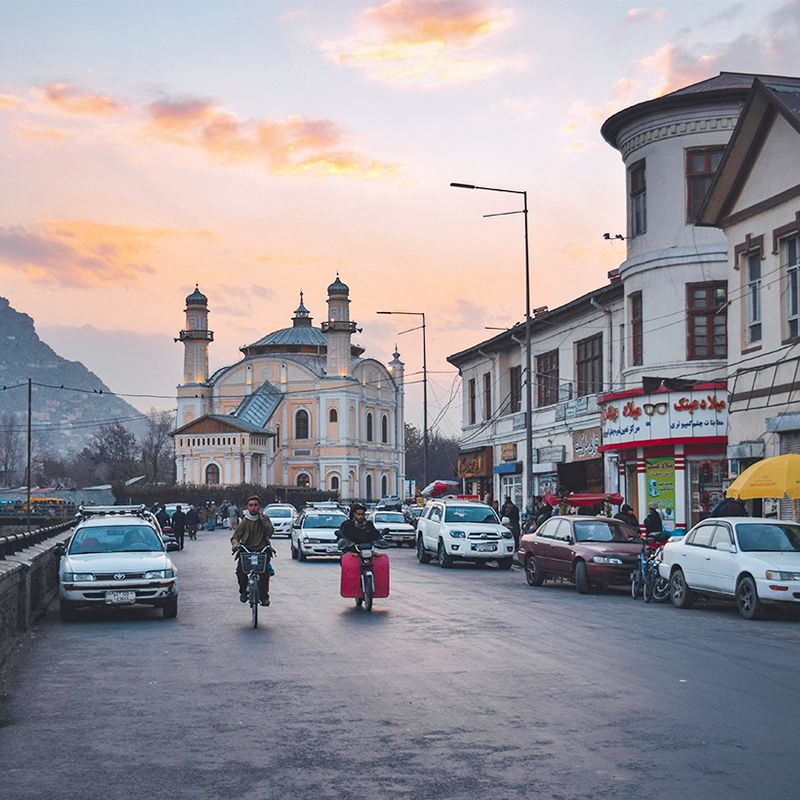
Generally, control and supervision in smaller, rural communities is stricter than in most cities. However, even in cities such as the capital, Kabul, there is a very high level of control and increasing CCTV surveillance, so Christians face difficulties throughout the country.
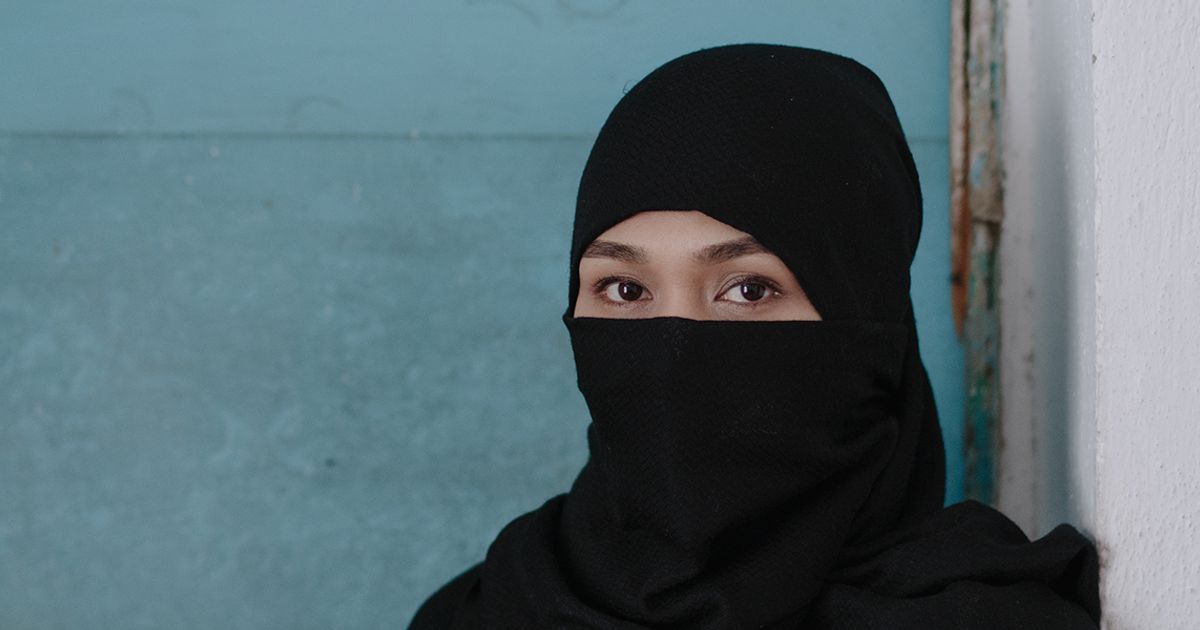
"Being a secret believer [in Afghanistan] is like walking on the edge of a blade. It’s full of caution, pain, but also hope and strength."
"Samira", a believer
In the past year, an increasing number of Afghans who fled to Pakistan, Iran and other neighbouring countries have returned, often by force. They are likely to find increased suspicion and hostility on their return, because they are deemed to have betrayed their community and country by leaving. If a returnee is known as a Christian, they face another level of danger.
And in a further attempt to exert control, since coming to power the Taliban has intensified random inspections of mobile phones, searching specifically for religious content. The Taliban also periodically cuts off the internet in an effort to control access to social media. In response, believers have resorted to extreme measures: abandoning digital communications, using coded language, or relocating.
All in all, the situation remains incredibly difficult for Christians in Afghanistan, reflecting its elevated ranking on the World Watch List.
Given the risks faced by our partners and those they serve, we are restricted in the information we can provide about Afghanistan.
Lord Jesus, we marvel at the brave faith of our family in Afghanistan, but our hearts also ache at their suffering. Continue to fill Your children with the bright light of Christ, refreshing their hope and empowering their witness. Watch over Your people, keep them from harm, and provide avenues for them to flourish. We pray against further deportations, and that You would soften the hearts of the Taliban, and those in neighbouring countries, towards women and vulnerable minorities. Amen.